Your Slack agent should look like it belongs to your company
A branded Slack agent is not a white-label chatbot. It is a teammate with your company’s identity, context, rules, and ability to do the work.
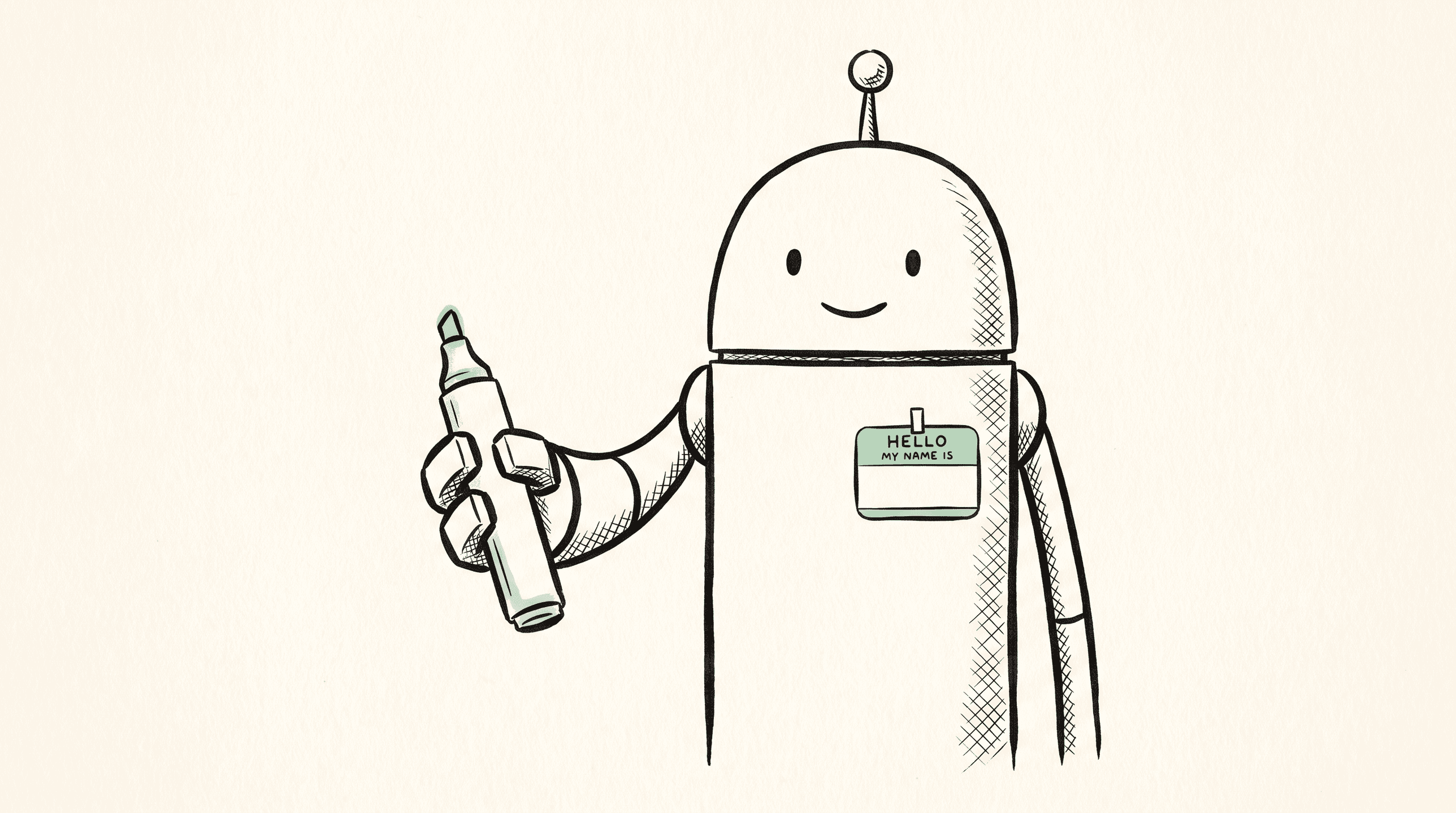
Their Name, Not Ours
Why people want to own their agents. What we learned shipping customer-owned Slack apps.
Build Wide, Ship Narrow
Splitting a finished branch into small PRs used to be the expensive part, so we decided the boundaries before the code existed. That cost collapsed. Now the code can tell you where to cut it.
Efficiencymaxxing: optimizing the AI intelligence-to-cost curve
I cut my average cost per Adapt turn by 83% with negligible quality loss by matching the model and effort level to the work in front of me.
This week in Adapt: app version history, personalized suggestions, and smarter channel setup
Adapt now tracks and lets you switch between app versions, suggests integrations based on how you actually work, and prompts new channels to set up the right reply behavior automatically.
This week in Adapt: browser actions, personal knowledge, and branded workspaces
Adapt can now take action in your browser, remember personal preferences without cluttering company knowledge, and make your workspace feel like your own with organization logos.

Agents need a shared filesystem
Why persistent, organization-wide storage is a foundational primitive for AI agents that need to build on one another's work.
How to build a natural-language agent
The trick is not writing more code. It is teaching your agent the way you would teach a new teammate: show it the work with full context, write down how you do it, then let it do real work.

The Agentic Loop: Building a Software Factory Worth Its Tokens
An agentic loop is an LLM that works in a loop until the job is done. How those loops stack into a software factory, and how to keep one worth its tokens.

Make your company
instantly AI native.
Bring the integrated coworker to your whole team. Get started free with $100 in credits when you add Adapt to Slack.